Why Won't My ATV or UTV Start? What to Check Before You Haul It In
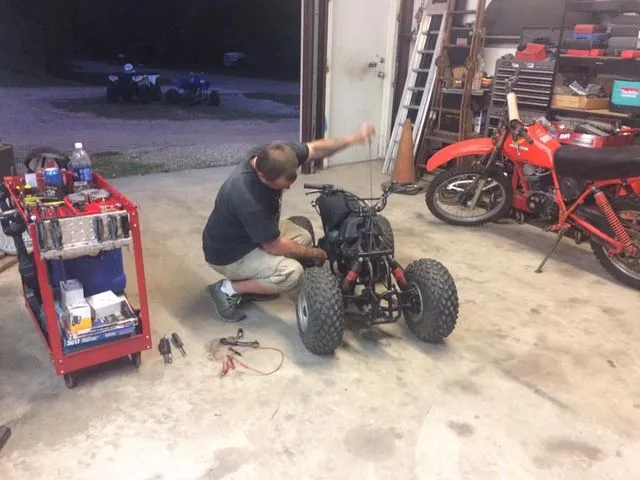
Your ATV or UTV won’t start. Maybe it clicks and nothing happens. Maybe it cranks all day and never fires. Either way, the machine is sitting in the yard and you’re trying to decide whether this is a five-minute fix or a trailer ride to the shop.
Plenty of no-starts turn out to be simple. Some don’t. Here is how to tell the difference, starting with what it sounds like when you hit the button.
First, listen: what happens when you press start?
What the machine does when you hit the starter narrows the problem down fast.
- Nothing at all, no lights, no click. Power isn’t getting where it needs to go. Think battery, main fuse, ignition switch or a loose ground.
- A single click, or rapid clicking. The starter is asking for more power than it’s getting. Usually a weak battery or a bad connection, sometimes the starter solenoid or the starter itself.
- It cranks over normally but won’t fire. The electrical side is mostly doing its job.
- It starts, then dies. Fuel delivery is the usual suspect, especially on a machine that sat a while.
No crank, or just clicks: start with the battery
A battery that shows a decent voltage can still fall flat under load. Powersport batteries are small, and a few cold mornings or a few weeks of sitting can leave one too weak to turn the engine over even though the dash lights come on.
Things worth checking before you call anybody:
- Charge the battery on a proper charger, or try a jump from a known good battery. If it fires right up, you’ve found it.
- Look at the terminals. Corrosion or a loose cable clamp is enough to stop a start. Clean them and snug them down.
- Check the main fuse and any fuse marked for ignition or starting. Your owner’s manual shows where they live.
- Confirm the safety switches are happy. Most ATVs and UTVs won’t crank unless the machine is in park or neutral, and many want the brake held. A kill switch bumped to off has fooled a lot of good riders.
If the battery is charged and the connections are good but it still only clicks, the starter, solenoid or wiring needs a proper diagnosis.
Cranks but won’t fire: what is the engine missing?
An engine needs fuel, spark, air and compression to run. When it turns over and won’t catch, something on that list is missing.
Fuel
Fuel trouble is the big one, especially on a machine that sat through a season. Gas goes stale. On a carbureted machine, old fuel gums up the small passages in the carburetor until the engine can’t get what it needs. On a fuel-injected machine, a weak fuel pump or a clogged filter does the same job from a different direction.
Easy things to check:
- Is there actually fresh gas in the tank? Gauges lie.
- Is the fuel valve turned on, if your machine has one?
- Does it smell like old varnish when you open the cap? That’s a sign the fuel has turned.
If the fuel has been sitting for months, the carburetor is a likely culprit. We wrote up how to tell whether a carburetor needs a cleaning or a full rebuild if you want to go down that road.
Spark
A fouled or worn spark plug can keep an engine from firing, and plugs are cheap. Pull it and look. If it’s black and sooty or wet with fuel, it’s time for a new one, and the condition of the old plug tells a mechanic something about what’s going on inside the engine.
If a new plug doesn’t help, the problem can sit further back: the coil, the stator, the ignition module or the wiring between them. That’s electrical diagnosis, and it’s easier with the right test equipment.
Air
A choked-off air filter can make an engine hard to start and miserable to run. Off-road filters fill up with dust and mud fast, and mice love an airbox on a machine parked in a barn. Pop the airbox lid and take a look.
When it’s time to stop and bring it in
Some signs mean you’ll do more harm than good by cranking on it:
- Grinding or a loud bang from the starter area.
- Burning smell from the wiring or the starter.
- Fuel leaking from the carburetor or anywhere else.
- The engine won’t turn over by hand or feels locked up.
- It ran fine, then died suddenly and never came back, especially if it lost power or made a new noise first.
Cranking a machine over and over with a weak battery can also cook the starter, so if a few tries don’t do it, give it a rest.
What we work on
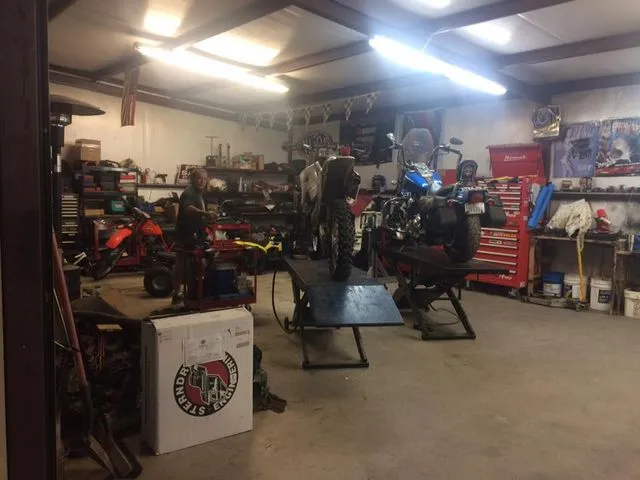
Spinin’ Wrenches is a family-owned powersport shop in Magnolia, Texas, with over 20 years of parts and repair experience. Off-road machines are a big part of that: ATVs, UTVs and dirt bikes from Honda, Kawasaki, Suzuki, Yamaha, Can-Am, Arctic Cat and Polaris. We rebuild carburetors, motors, transmissions, differentials and suspensions. We also do intake and exhaust upgrades, winches and custom lighting. The full list is on our off-road repair section.
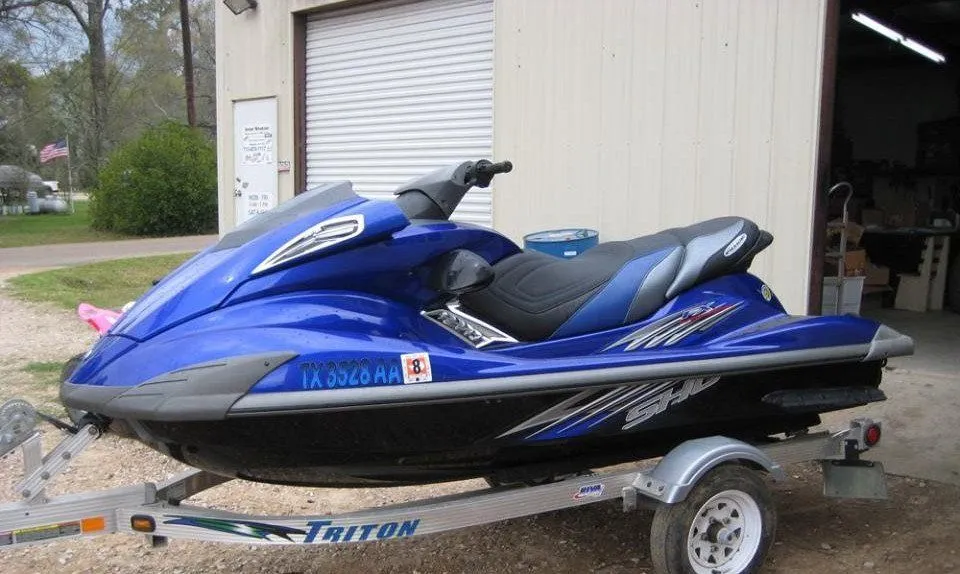
When you bring a no-start in, tell us what it did when it quit and what you’ve already tried. That saves time on the diagnosis, and we’ll tell you straight what it needs. If it’s a jet ski that won’t fire after the off-season instead, we covered that in why a jet ski won’t start after sitting.
Phone calls come back the same day. Nothing’s worse than dropping your machine off and hearing nothing for a week, and we don’t do that.